
Classroom management remains one of the most critical determinants of teaching success. It involves far more than enforcing rules or curbing disruptions; it is the deliberate orchestration of the classroom environment—physical, social, emotional, and instructional—to optimize learning opportunities for all students. Effective classroom management creates a safe, predictable, and engaging space where students can focus on academic growth, social development, and personal responsibility. Research consistently shows that strong classroom management correlates with higher student achievement, reduced behavioral issues, improved teacher retention, and positive long-term outcomes for learners.
This essay delves deeper into the theoretical foundations, practical strategies, implementation challenges, modern contexts (including post-pandemic realities and technology), equity considerations, and pathways for continuous improvement. It draws on seminal works and recent studies to provide educators with a robust framework.
Theoretical Foundations
Several influential models underpin effective classroom management.
Harry Wong’s Emphasis on Procedures and Routines: In The First Days of School, Wong and Wong stress that successful teachers dedicate the opening weeks to explicitly teaching procedures for every classroom activity—from entering the room to turning in assignments. Well-established routines reduce confusion and wasted time, with studies indicating classrooms with strong routines can see up to 50% fewer behavioral referrals. Positive expectations for student success form another pillar: teachers who believe in their students’ potential and communicate this belief foster higher motivation.
Jacob Kounin’s “Withitness” and Group Management: Kounin’s research highlighted that effective managers exhibit “withitness”—a constant awareness of classroom dynamics that allows them to prevent problems before they escalate. Key techniques include overlapping (handling multiple issues simultaneously), smoothness and momentum in lessons, and the “ripple effect,” where addressing one student’s behavior positively influences the group.
Robert Marzano’s Focus on Relationships and Engagement: Marzano’s meta-analyses underscore that high-quality teacher-student relationships are foundational, leading to 31% fewer discipline problems. Effective managers balance appropriate dominance (clear authority) with cooperation (warmth and responsiveness) while using engaging instruction to minimize off-task behavior.
Positive Behavioral Interventions and Supports (PBIS): This framework shifts from reactive punishment to proactive teaching of expected behaviors across school-wide, classroom, and individual levels. Schools implementing PBIS often report significant reductions in office referrals (sometimes by 50%) and improvements in academic outcomes and attendance.
These models converge on the idea that management is proactive, relational, and instructional rather than merely disciplinary.
Establishing the Classroom Environment
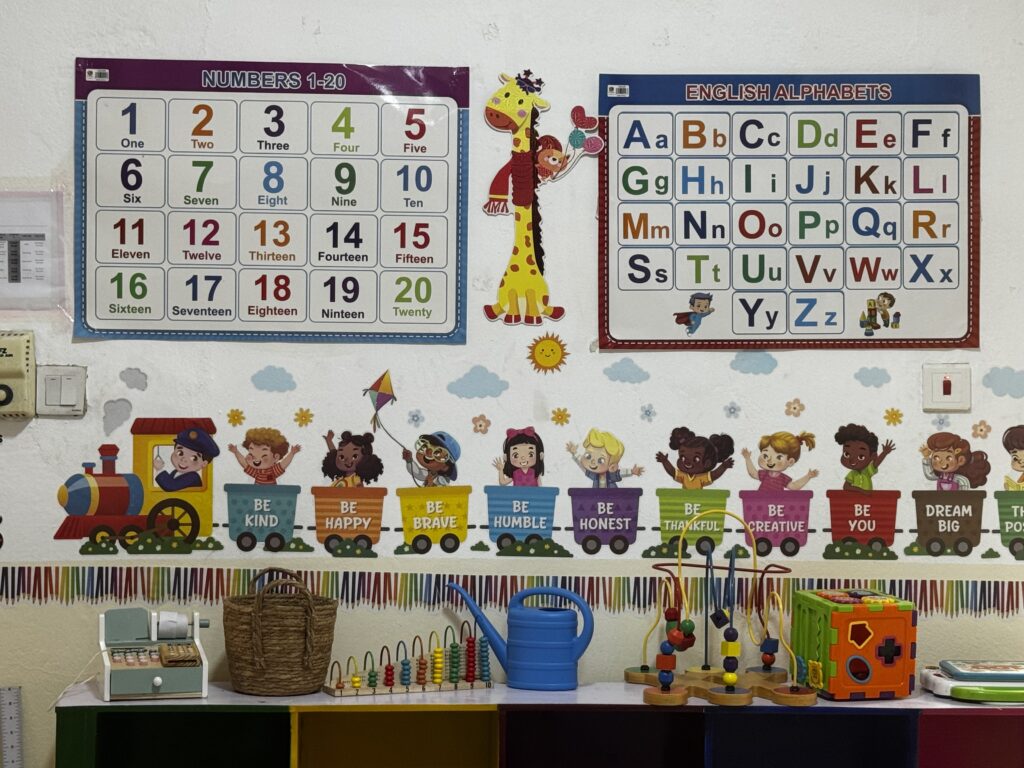
Physical and Emotional Setup: Arrange desks to support the intended activities (e.g., clusters for collaboration, rows for direct instruction). Create welcoming spaces with student work displays, calming colors, and accessible resources. Emotionally, cultivate a climate of respect through morning meetings, community-building circles, or SEL (Social-Emotional Learning) activities. CASEL-linked programs demonstrate notable reductions in discipline issues and gains in achievement.
Co-Creating Rules and Expectations: Limit rules to 4–6, state them positively, and involve students in their development to build ownership. Teach, model, rehearse, and reinforce them consistently. Visual aids and regular reviews help, especially for younger or diverse learners.
Building Relationships: Learn names immediately, use positive greetings, show interest in students’ lives, and practice empathy. Small actions like personalized notes or one-on-one check-ins pay dividends. Trauma-informed practices—emphasizing safety, choice, and regulation—are essential for students with adverse experiences.
Proactive Strategies for Engagement and Prevention
Prevention accounts for the majority of effective management.
- Lesson Design and Differentiation: Engaging lessons combat boredom-driven misbehavior. Incorporate variety through hands-on activities, technology integration, group work, and scaffolding. Differentiate content, process, and products to meet diverse needs, reducing frustration.
- Routines and Transitions: Explicitly teach smooth transitions with signals (e.g., lights, chimes, or countdowns). Efficient routines maximize instructional time; research links them to better momentum and fewer disruptions.
- Positive Reinforcement: “Catch students being good” with specific, sincere praise. Use token systems, class rewards, or behavior charts judiciously. Positive strategies outperform punitive ones for long-term behavior change.
- Instructional Management: Maintain momentum with clear objectives, active participation techniques (think-pair-share, polls), and formative assessments. John Hattie’s work places classroom management among high-impact practices (effect size ~0.5–0.6).
Recent studies reaffirm that these proactive elements significantly boost achievement across contexts.

Addressing Misbehavior Effectively
Despite proactive measures, challenges inevitably arise. Effective managers respond calmly and consistently rather than emotionally. The goal is to address the behavior while preserving the student’s dignity. Private conversations are preferable to public call-outs for most issues. Restorative practices, which focus on repairing harm and understanding root causes, have shown success in many schools. For example, instead of immediate suspension for a conflict, a mediated discussion helps students reflect on impact and develop solutions.
Consequences should be logical, graduated, and tied to the infraction. A hierarchy might start with a nonverbal cue, move to a verbal reminder, then a brief conference or loss of privilege, and escalate only as needed. Documentation is essential for tracking patterns and involving parents or administrators when necessary.
Special consideration is required for students with behavioral challenges, trauma histories, or special needs. Trauma-informed approaches prioritize safety, connection, and regulation over compliance. Collaboration with counselors, special educators, and families ensures a team-based response.
The Role of the Teacher and Professional Growth
The teacher’s own self-management is often overlooked. Effective classroom managers model emotional regulation, organization, and resilience. They reflect on their practice, seek feedback, and adjust strategies. Professional development in classroom management—through workshops, mentoring, or action research—equips teachers with evolving tools. Burnout is a real risk in high-needs environments; thus, self-care, time management, and administrative support are crucial.
Cultural responsiveness is another key dimension. In diverse classrooms, management strategies must respect cultural norms around communication, authority, and participation. Culturally sustaining pedagogy helps bridge gaps and affirms students’ identities.
Modern Challenges and Adaptations
Post-Pandemic Realities: The COVID-19 era exacerbated behavioral issues, including increased disrespect, reduced attention spans, social-emotional challenges, and technology addiction. Teachers report spending more time on SEL, behavior support, and routine re-teaching. Strategies include grace periods for readjustment, explicit re-teaching of social skills, and hybrid approaches blending in-person connection with digital tools.
Technology Integration: Devices offer engagement opportunities but introduce distractions. Set clear digital citizenship norms, use tools for organization (e.g., seating charts, timers), and monitor effectively. AI-assisted tools are emerging for workflow efficiency, but foundational practices remain paramount.
Equity and Cultural Responsiveness: Disproportionate discipline affects students of color, boys, and those from low-income backgrounds. Culturally sustaining approaches respect diverse norms around communication and authority. Address implicit bias through reflection, data monitoring, and inclusive curriculum. Trauma-informed and SEL frameworks help close equity gaps.
Large Classes and Resource Constraints: In high-needs settings, leverage peer leaders, flexible grouping, and school-wide support.
Conclusion
Effective classroom management is both an art and a science. It requires intentional planning, relational skill, adaptability, and unwavering consistency. When teachers create structured yet nurturing environments, students thrive academically and socially. The benefits extend beyond test scores: well-managed classrooms produce confident, responsible individuals who value learning and respect others.
Ultimately, great classroom management is invisible when it works best—the focus remains on teaching and learning rather than control. Educators who invest in these practices experience greater job satisfaction and longevity in the profession. As schools continue to evolve, ongoing research, collaboration, and reflection will ensure classroom management remains responsive to the needs of 21st-century learners. By prioritizing prevention, relationships, and positive culture, teachers fulfill their most important role: creating spaces where every student has the opportunity to succeed.
Evaluate management through multiple lenses: student engagement data, referral rates, academic progress, and anonymous feedback. Action research allows teachers to test strategies iteratively. Collaboration with colleagues via PLCs (Professional Learning Communities) accelerates growth.
References (for further reading):
- Wong, H. K., & Wong, R. T. (2009). The First Days of School.
- Marzano, R. J. (2003). Classroom Management That Works.
- Kounin, J. S. (1970). Discipline and Group Management in Classrooms.
- PBIS resources from the U.S. Department of Education.
This essay provides a comprehensive overview suitable for academic or professional use.